What to check before booking a buggy in Dubai
Booking a buggy dubai experience should feel straightforward, but the details matter. A desert drive is not the same as a city transfer or a gentle sightseeing stop. Terrain, heat, timing, driving rules and comfort all shape the day. Before paying attention to the exciting part, take a calm pass through the practical points below.
The aim is not to turn the decision into hard work. It is to spot the few things that can change the experience, such as whether the vehicle suits the people riding, what is included in the time slot, and how the route is managed. A short check now can prevent confusion later, especially when plans involve friends, families or a tight travel schedule.
Confirm who will be driving and riding
Start with the basic fit. A single-seater buggy suits someone who wants a focused drive and does not need to carry a companion. A passenger buggy works better for two people who want to share the view and the experience. If the group includes children, older passengers or anyone who prefers a slower pace, that should shape the choice from the start.
Driver requirements also deserve a clear answer before booking. Ask what documents are expected and whether driving experience is needed. Rules can vary by operator and by the type of vehicle, so assume nothing. If one person in the group is expected to drive, confirm that person meets the stated conditions rather than leaving it until arrival.
Comfort is part of this check too. Buggy driving can involve dust, bumps, sun and changes in temperature. Anyone with back trouble, motion sensitivity or limited mobility may need a different arrangement. Being honest about these needs early is far easier than trying to adjust on the day.
Check what the time actually includes
Two buggy bookings can look similar while covering very different amounts of time. One may include only driving time. Another may include arrival procedures, safety briefings, stops and time spent moving between areas. Ask what the listed duration means so the schedule is realistic.
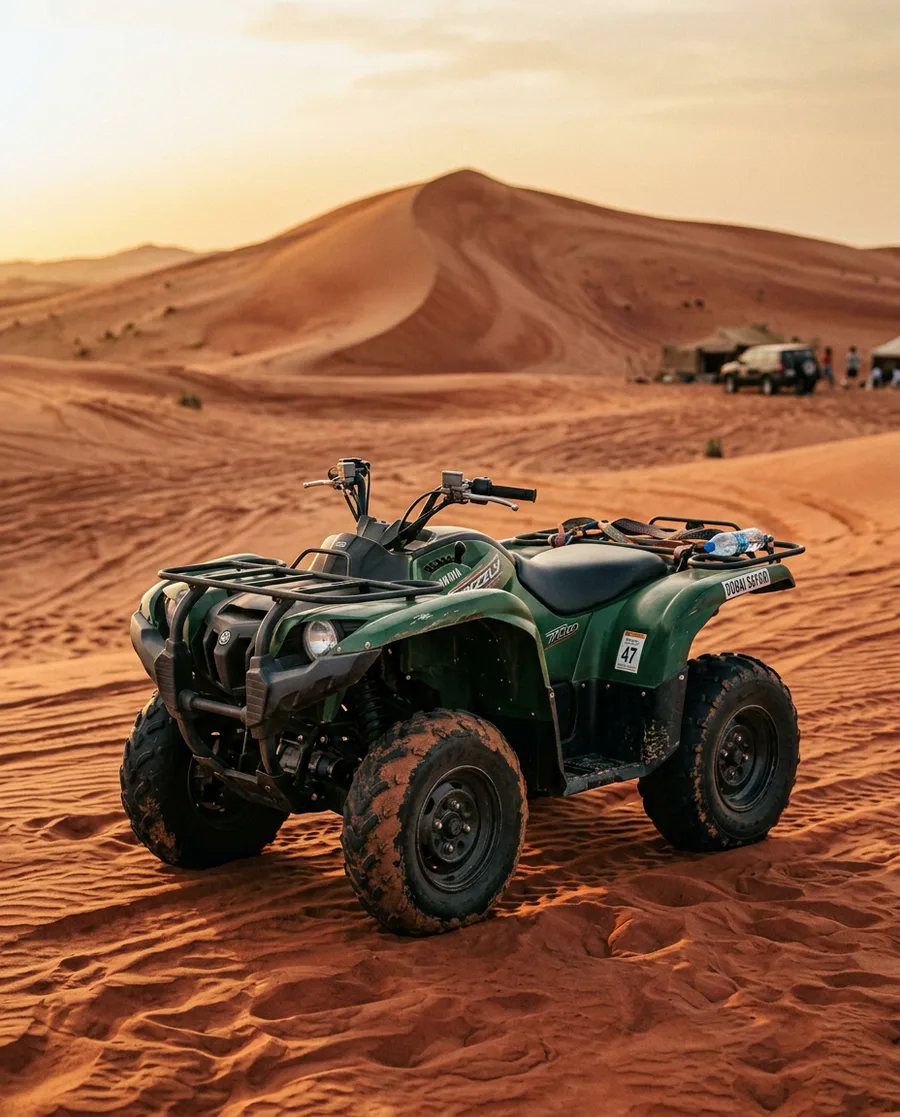
It helps to know the shape of the outing. Some options focus on laps and tours in a defined area, while others form part of a wider desert safari. The first may suit someone who wants more time behind the wheel. The second may appeal to a visitor who wants a broader desert outing with other activities around it.
Also check the start time. Morning, afternoon and evening each feel different. Heat can be intense around the middle of the day, while late light changes visibility and can make the dunes look dramatic. If the day is already packed, choose a slot that leaves enough breathing room for travel and delays.
When comparing details, it is sensible to keep your own notes rather than relying on memory. Sites such as atvridedubai.com can be a starting point for understanding the subject, but the final choice should rest on clear answers about the specific outing being booked.
Ask about the route and terrain
Not all off-road driving feels the same. Some routes are gentle and open, with room to settle in. Others include sharper turns, steeper dunes or faster sections. The right choice depends on confidence, comfort and the kind of day being planned.
Before booking, ask whether the route is guided, how the group is handled, and whether there are stops along the way. A guided format can help newer drivers stay oriented and reduce the chance of getting separated. A more open format may feel appealing to experienced riders, but it still needs clear boundaries and rules.
Pay attention to the wording used to describe the terrain. Terms linked to sand dunes suggest a landscape that shifts and changes, not a fixed track. That is part of the appeal, but it also means the drive should be treated with respect. Smooth steering, steady speed and attention to the vehicle ahead matter more than showing off.
Look closely at safety gear and procedures
Safety gear is one of the most useful details to confirm in advance. Ask what protective equipment is expected or supplied, and what clothing is sensible for the conditions. Closed footwear, sun protection and comfortable layers usually make more sense than loose clothing that can catch or distract.
A proper briefing should cover controls, hand signals, spacing, what to do if the vehicle stalls, and how riders should behave if they stop. If the answer to these points is vague, treat that as a reason to ask more questions. Clear procedures are not a nuisance. They help everyone understand what to expect when engines are running and the group is moving.

It is also worth asking how the operator handles a rider who feels unwell, overwhelmed or unsure midway. A good plan should not depend on guesswork. Heat and dust can affect people in different ways, and the day should be structured so anyone can speak up without embarrassment.
Understand the booking terms before paying
Read the booking terms with the same care used for any travel purchase. Check the rules for changes, cancellations, late arrival and missed slots. Desert plans can be disrupted by flights, traffic, weather or simple timing mistakes, so flexibility matters.
Ask what happens if conditions make driving unsuitable. A responsible plan should explain how such situations are handled rather than leaving the customer to assume. The answer does not need to be complicated, but it should be clear.
Also confirm what is included and what is not. Drinks, meals, photography, transport and extra activities may be handled in different ways. If something is important to the day, do not treat it as a minor detail. Put the question before booking and keep a written record of the reply.
Compare value, not just the headline offer
A lower headline figure can still be a poor fit if the driving time is short, the route feels rushed, or key details are unclear. A higher figure may make more sense if it gives the group a smoother plan, better structure and fewer surprises. Value depends on what the booking actually delivers.
Think about the full experience rather than one feature. A visitor who wants a memorable first desert drive may prefer a calm route with clear guidance. Someone already comfortable with off-road driving may care more about time on the vehicle and varied terrain. Neither choice is automatically better. The right one is the one that matches the rider.
Reviews and general reputation can offer useful clues, but they should be read with care. Look for repeated comments about clarity, organisation, comfort and how questions were handled. One dramatic complaint or one glowing remark may not tell the full story. Patterns are more helpful.
Make the final decision with clear answers
Before confirming, run through the essentials in your mind. The vehicle should suit the riders. The driver should meet the stated requirements. The duration should mean what the schedule needs it to mean. The route, safety approach and booking terms should be understandable without chasing later.
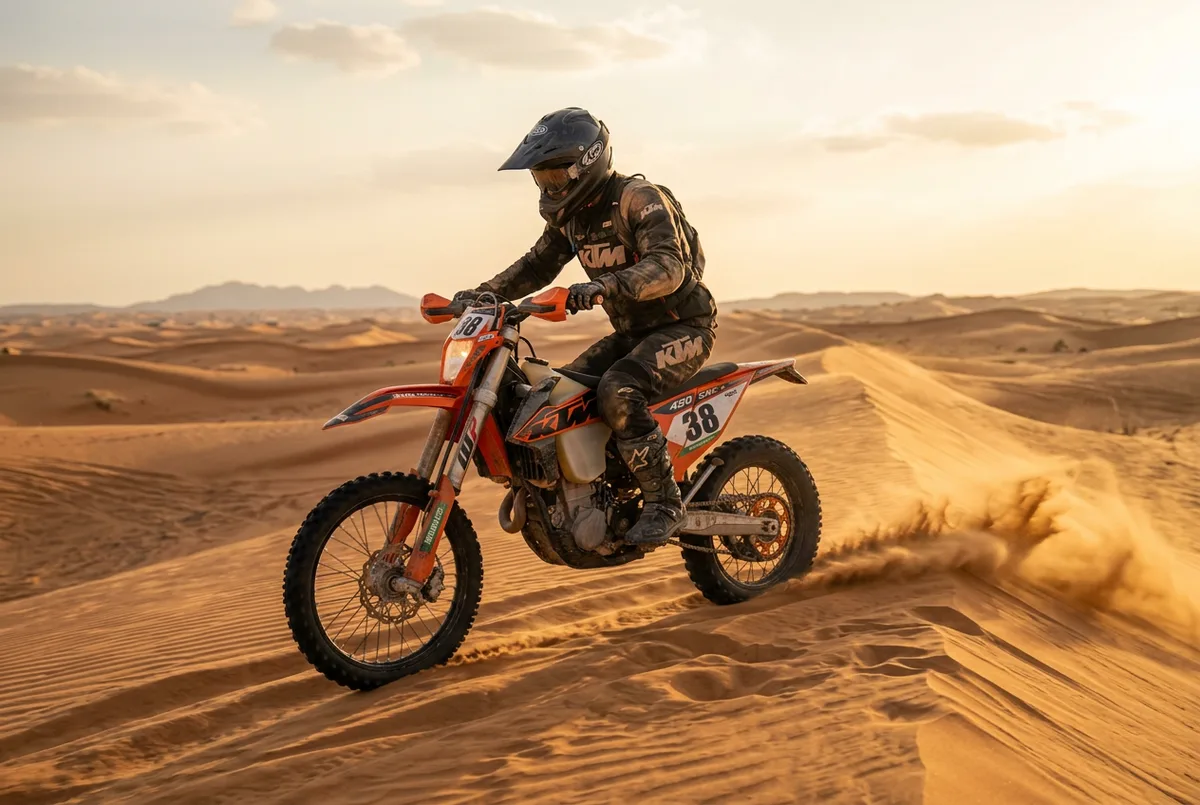
A buggy dubai outing is at its best when the practical side is settled early. That leaves more room to enjoy the dunes, the open landscape and the simple pleasure of driving across sand with a clear plan. A few careful questions do not reduce the sense of adventure. They make it easier to relax once the day arrives.
For a final sanity check, compare the answers you receive against your own limits, not against pressure to pick the most dramatic option. Comfort, clarity and a route that matches the group will usually matter more after the booking than any polished description. If the details feel solid, the experience has a much better chance of feeling smooth from start to finish.
Browsing atvridedubai.com can help place the subject in context, but the best decision still comes from matching the outing to the people taking part. Once that match is clear, the booking becomes a simple choice rather than a guess.
Ends · GETBUGGYDUBAINEST